


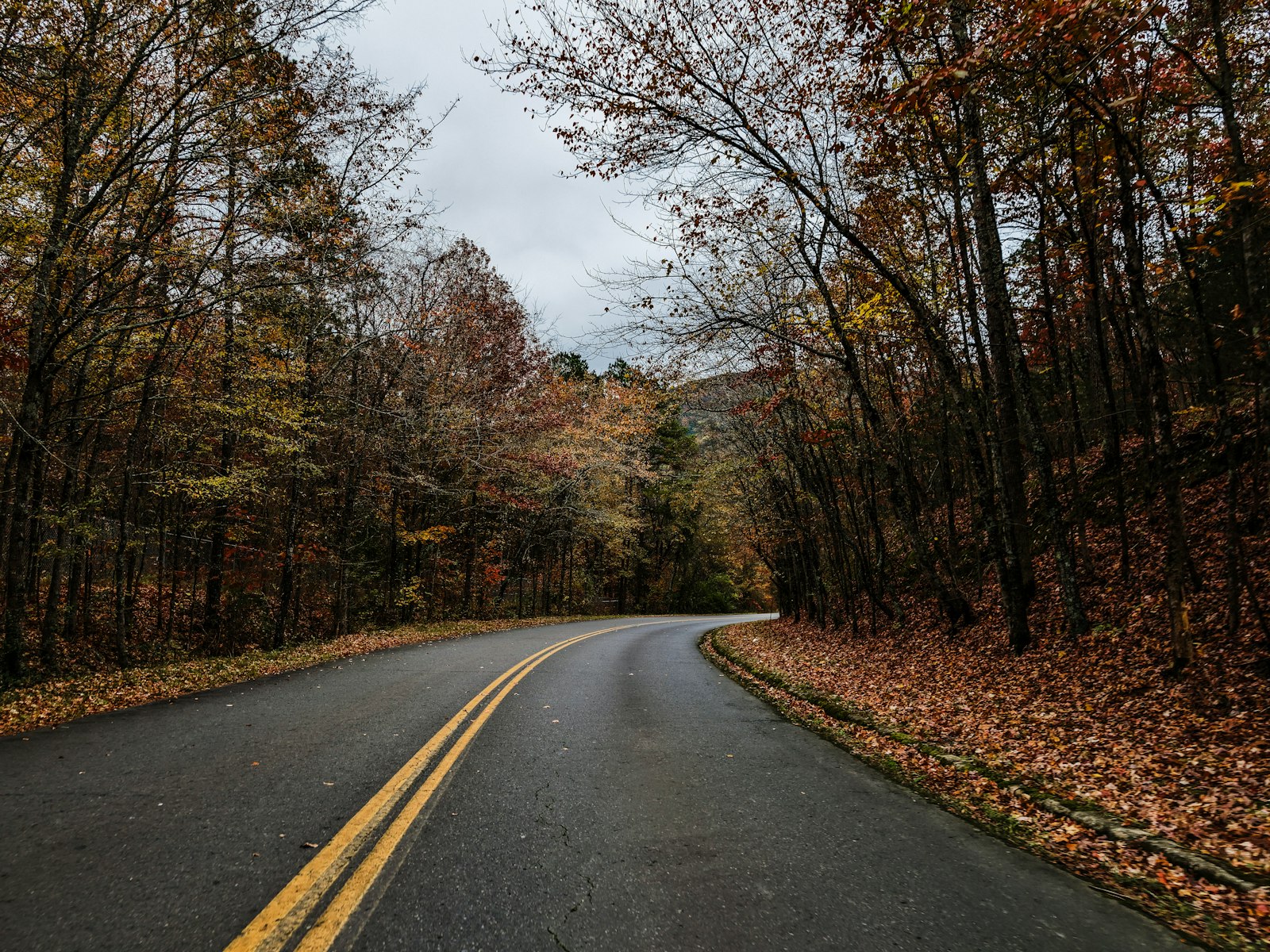
For fall motorcycle riding, start with a comfortable base layer, add removable insulation, and keep your protective riding jacket and pants in place. Use a compatible windproof or waterproof outer layer when conditions call for it. The useful setup is one you can adjust at a stop without compromising fit or control.
A cool departure and a warm afternoon create different demands. Plan around the whole ride, including the return trip, rather than dressing only for the temperature outside your front door.
Check the route before choosing your layers
Look at the hourly forecast for your starting point, destination, and any higher-elevation sections. Note rain, wind, and the temperature around your expected return. A short city commute and a long exposed highway ride need different packing decisions.
Wind increases heat loss from exposed skin, as the National Weather Service explains in its wind-chill guidance. Its index models exposed skin; it does not tell you the temperature inside a motorcycle jacket. Treat online riding-temperature charts as rough context, not a guarantee that a particular outfit will keep you comfortable.
Give each layer a clear job
1. Base layer: comfort next to your skin
Choose a close-fitting top with smooth seams that does not bunch at the elbows or waist. Try it under your actual riding jacket before buying several. Long sleeves can make a jacket more comfortable against your skin, but the base layer is not a substitute for protective motorcycle clothing.
2. Midlayer: removable warmth
Use a thin fleece or a compatible thermal liner when you need extra warmth. Start with one midlayer and check the fit before stacking more. If the jacket already includes an insulated liner, test that arrangement first; adding another thick garment may make the sleeves and shoulders restrictive.
Pack the removable layer where you can reach it at a rest stop. Leaving room in your luggage matters: a layer that cannot be stored becomes something you are tempted to keep wearing after conditions change.
3. Riding jacket and pants: the protective foundation
The Motorcycle Safety Foundation recommends protective leather or abrasion-resistant clothing, layered for cold weather with wind protection. Keep that riding equipment on as you adjust your insulation. A casual coat or rain shell should not be assumed to provide equivalent crash protection.
When comparing jackets, check the individual garment’s construction, armor information, liner arrangement, and adjustment points. Our leather, textile, and mesh jacket comparison helps explain the material choices, while the motorcycle jacket safety features guide covers the details to inspect before purchasing.
4. Weather layer: check compatibility, not just the label
For a separate rain shell, verify whether it is intended to fit over your riding equipment. Try it on with the complete outfit, close every fastening, and reach forward as you would on the bike. Check the collar, cuffs, hem, and any overlap with rain pants. Follow the garment instructions for closures and care.
For example, the ZARROE ZYVOR Ultra X Rain Jacket listing specifies a seam-sealed shell, a storm flap, and adjustable cuffs and hem. Review its sizing and intended fit before selecting it as an outer layer. Those weather features do not establish an abrasion or impact-protection rating.
Test fit in your riding position
Use the ZARROE size guide and the individual product measurements as a starting point. Then test both the coolest-weather combination and the lighter arrangement you will wear later. Do not automatically size up to make room for a bulky sweatshirt.
With the motorcycle securely supported and the engine off, check that you can reach the controls, bend your elbows, and turn your head comfortably. Confirm that sleeves and the jacket hem still provide coverage in that position. Check armor placement against the manufacturer’s fitting instructions in both layer combinations.
If an airbag garment is part of your kit, follow that manufacturer’s specific layering and expansion-clearance instructions. Generic sizing advice cannot establish compatibility.
Adjust for the ride you actually have
Cool morning, mild afternoon
Begin with the insulation your conditions require. At a safe stop, remove the midlayer when appropriate and readjust the jacket. Keep the removed layer accessible for the return ride.
Rain possible during the trip
Carry the complete rain setup, not just the jacket. Store it near the top of your luggage so you can put it on at a safe stop before the rain arrives. Keep spare dry clothing in a waterproof bag.
Cold conditions throughout the day
Plan shorter stages and places to stop indoors. If you cannot stay comfortable while maintaining easy movement and control, change the route, timing, or transport rather than continually adding bulk.
Include hands, feet, and visibility
MSF recommends properly fitting full-finger motorcycle gloves and over-the-ankle protective footwear. Test gloves with the jacket cuffs and operate the controls while stationary. Check that extra socks do not crowd your boots.
MSF also recommends bright colors and retroreflective details for visibility. Consider which layer will actually be visible: an outer rain shell can cover reflective panels on the jacket beneath it.
Your before-you-leave checklist
- Check the forecast for the route and return time.
- Try the full outfit in your riding position.
- Confirm armor placement and any airbag compatibility.
- Pack removable insulation, rain layers, and dry spares where you can reach them.
- Make clothing adjustments only after stopping safely.
- Choose a shorter ride or another day if the conditions exceed your equipment or comfort.
Build your fall kit around adjustable warmth, weather coverage, and a consistent protective fit. The best combination is one that works at departure, adapts at the next stop, and still fits correctly on the way home.
 New Arrivals
 New Arrivals