


A heated vest and a heated jacket liner solve the same cold-weather problem in different ways. The vest concentrates warmth on your core, uses less space under your riding jacket, and is often the simpler first purchase. A jacket liner warms your torso and arms, making it the stronger choice for long highway rides or colder conditions.
Quick answer: vest or jacket liner?
Choose a heated motorcycle vest if you want compact core warmth, ride in cool rather than severe cold, have limited room under your jacket, or need to keep electrical demand modest.
Choose a heated jacket liner if your arms get cold, you ride at sustained highway speed, spend longer periods outside, or plan to connect heated gloves through a compatible system.
Whichever you choose, it is a warming layer, not a replacement for a properly fitting protective outer jacket.
What each layer actually does
Heated vest
A heated vest places its heating zones around the chest, back, and sometimes the collar. Because it has no sleeves, it adds less bulk at the shoulders and elbows. That can make it easier to fit beneath a close-cut leather jacket.
The tradeoff is straightforward: your core receives powered heat, but your arms rely on the insulation and wind resistance of the rest of your kit.
Heated jacket liner
A heated jacket liner extends coverage through the sleeves and may warm the collar as well as the chest and back. It can create a more even sensation of warmth, especially when your arms are exposed to wind for hours.
It is bulkier than a vest and usually draws more power, so jacket fit and the motorcycle’s available electrical capacity require closer attention.
The Motorcycle Safety Foundation’s protective-gear guidance recommends layered clothing and a windproof outer layer in cold weather, and identifies electrically warmed suits or vests as an effective option. That order matters: active heat works best inside a complete system that controls wind and moisture.
Heated vest vs. jacket liner comparison
| Decision point | Heated vest | Heated jacket liner |
|---|---|---|
| Heat coverage | Chest, back, often collar | Chest, back, arms, often collar |
| Bulk under jacket | Lower, especially at shoulders and elbows | Higher through sleeves and cuffs |
| Typical use | Cool commutes, shorter rides, mild winter days | Longer rides, highway exposure, colder conditions |
| Electrical demand | Usually lower within the same product family | Usually higher because more area is heated |
| Arm warmth | Depends on other layers | Direct heated coverage |
| Expansion to gloves | Varies by system | Some motorcycle-specific liners include glove connections |
| Off-bike convenience | Battery-powered versions can be versatile | 12-volt motorcycle liners prioritize continuous on-bike use |
Choose by ride, not just temperature
Short urban trips
A vest often makes sense for a commute with frequent stops. It warms the core without filling the sleeves of your jacket, and a portable battery-powered model can continue working after you park. The practical limitation is runtime: battery size, heat setting, age, and ambient temperature all affect how long it lasts.
Long highway rides
At sustained speed, wind continuously removes heat from your outer layers. A full heated liner gives your arms the same active warmth as your torso, which can be more comfortable over distance. A wind-resistant outer shell remains essential; the MSF Motorcycle Operator Manual notes that cold can lead to severe chill and fatigue and recommends a winter jacket that resists wind and fits snugly at the neck, wrists, and waist.
Small motorcycles or limited charging capacity
Do not assume the motorcycle can support every heated accessory. Check the owner’s manual or the motorcycle manufacturer’s specifications, account for existing electrical accessories, and compare the remaining capacity with the gear maker’s stated draw. A vest may be easier to accommodate, but the exact numbers, not the garment name, should decide.
12-volt bike power vs. rechargeable batteries
Bike-powered 12V gear
- Runs for as long as the motorcycle can supply adequate power.
- Well suited to long rides and higher heat output.
- Requires a fused battery lead or another manufacturer-approved connection.
- Keeps you tethered to the motorcycle until you disconnect.
Rechargeable battery gear
- Works on and off the motorcycle.
- Requires no connection to the bike’s electrical system.
- Has finite runtime that changes with heat level and conditions.
- Adds the battery pack’s weight and demands charging discipline.
Current product pages illustrate the difference. Harley-Davidson describes its 12V heated vest as a mid-layer for use beneath suitable riding gear, while Gerbing’s motorcycle liner range is designed to connect directly to a motorcycle’s electrical system. Always follow the instructions for the exact garment and controller you buy; connectors, controllers, and maximum loads are not universally interchangeable.
Fit matters more than maximum heat
A heated layer should sit close enough to transfer warmth efficiently without restricting breathing, shoulder movement, or reach to the controls. If it bunches, folds, or forces your outer jacket tight across armor, it is the wrong combination.
- Put on your normal base layer, heated garment, and riding jacket together.
- Sit in your actual riding posture with arms extended.
- Confirm the jacket closes without compressing your chest or lifting at the waist.
- Check that shoulder, elbow, and back protectors remain correctly positioned.
- Make sure cables cannot snag controls, zippers, or moving parts.
- Verify the controller is reachable without looking away from the road.
If your current jacket is already snug over a base layer, a full-sleeve liner may make it bind. A vest may preserve mobility, or you may need a different outer shell. Use ZARROE’s motorcycle jacket fit guide to check range of motion and armor placement before adding insulation.
How to build the complete cold-weather system
- Start with a moisture-managing base layer. The heated garment should not be used against bare skin unless its instructions explicitly permit it.
- Add the heated vest or liner. Keep it close to the body without creating pressure points.
- Use a protective, wind-resistant outer jacket. Browse ZARROE’s winter riding collection and verify the individual product’s features and fit.
- Seal common air leaks. Check neck, cuffs, waist, and the jacket-to-pant overlap.
- Protect hands and legs. Core heat does not eliminate the need for appropriate gloves and lower-body layers.
For a broader shell checklist, see how to choose a cold-weather motorcycle jacket. Riders comparing outer materials can also review ZARROE’s leather, textile, and mesh jacket guide.
Safety and care checks before every ride
- Inspect cables, plugs, battery leads, and fabric around heating elements for damage.
- Use the specified fuse, controller, battery, and charger.
- Route power leads so they cannot touch hot surfaces or moving parts.
- Begin on a low setting and adjust gradually; stop using the garment if you feel a hot spot.
- Disconnect bike-powered gear before walking away from the motorcycle.
- Follow the garment maker’s cleaning and storage instructions.
Heated apparel improves comfort but does not make icy roads safe or replace protective riding gear. Conditions near freezing can change quickly, especially on bridges, shaded pavement, and elevated roads.
Bottom line
For most occasional cold-weather riders, a heated vest is the simpler, less bulky starting point. For long-distance riders, frequent highway use, or consistently colder conditions, a heated jacket liner provides more complete coverage. The best choice is the one that fits beneath your protective jacket, matches your motorcycle or battery system, and keeps your range of motion intact.
Build the outer layer around your ride
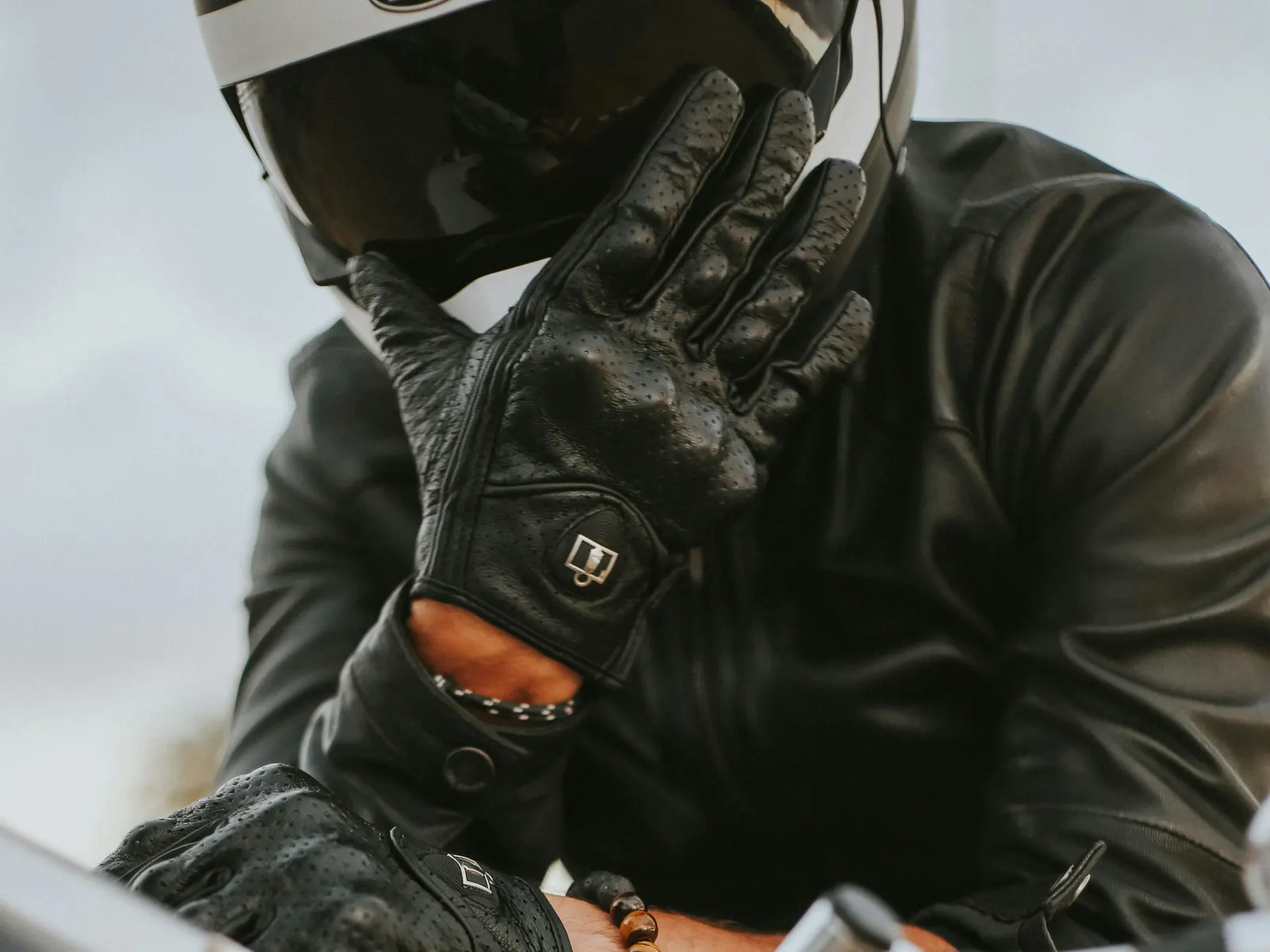
Once you know how much heated insulation you need, compare ZARROE’s men’s motorcycle jackets and women’s motorcycle jackets. Check each product page for its actual materials, fit, and protective features; the stock rider photo used with this guide is illustrative and does not depict a specific ZARROE product.
 New Arrivals
 New Arrivals